
Mold is a common household issue that can cause serious health problems and structural damage if left unchecked. It thrives in damp environments and can grow on a wide range of materials, including wood, drywall, and carpet. As a homeowner, understanding how to prevent mold growth in your home is key to maintaining a safe and healthy living environment. In this article, we’ll explore practical steps you can take to keep mold at bay and ensure your home remains mold-free.
Article Sponsor: Jacksonville Parking Lot Striping
1. Control Humidity Levels
Mold loves moisture, and one of the best ways to prevent its growth is by controlling the humidity levels in your home. Ideally, indoor humidity should be kept below 60%, and in some cases, even lower—around 30% to 50%—to effectively deter mold. Investing in a hygrometer, a device that measures humidity levels, can help you monitor the moisture in your home.
If your home is prone to high humidity, consider using dehumidifiers, especially in moisture-prone areas such as basements, bathrooms, and laundry rooms. Proper ventilation also plays a role here. Ensure that exhaust fans in the kitchen and bathrooms are working correctly to remove moisture from these spaces.

2. Fix Leaks Immediately
Leaky pipes, roofs, or windows are one of the most common culprits of mold growth. Even small leaks can lead to significant moisture accumulation over time, creating the perfect conditions for mold to develop. As soon as you notice any leaks, take immediate action to fix them. Regularly inspect areas of your home that are more susceptible to water damage, such as under sinks, around toilets, and in basements.
In addition to fixing existing leaks, it’s essential to prevent future ones. This may involve upgrading old plumbing, resealing windows, or improving the waterproofing of your roof.
3. Ensure Proper Ventilation
Proper ventilation is critical for preventing mold, especially in areas like bathrooms, kitchens, and laundry rooms where moisture tends to build up. Always use exhaust fans when cooking, showering, or doing laundry to help remove excess moisture from the air. Make sure that vents from appliances such as dryers lead directly outside your home and are not blocked.
For rooms without built-in exhaust fans, consider installing one or simply opening windows to let moisture escape. Good airflow throughout the home helps keep surfaces dry and prevents stagnant air, which is conducive to mold growth.
4. Use Mold-Resistant Products
When renovating or making repairs to your home, consider using mold-resistant products. There are a variety of materials on the market designed specifically to prevent mold growth, such as mold-resistant drywall or paint. Mold-resistant drywall is particularly useful in areas like bathrooms or basements, where moisture is common.
If you’re painting walls or other surfaces, using a mold-inhibiting primer and paint can add an extra layer of protection against mold. These products help by forming a barrier that prevents moisture from penetrating the surface.
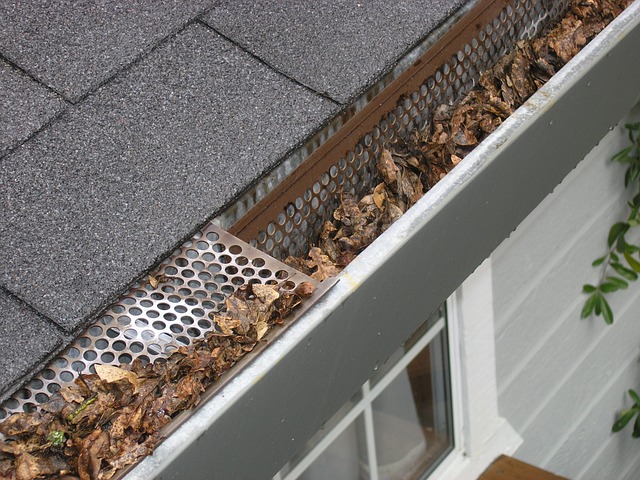
5. Keep Gutters Clean and Functional
Water accumulation around the foundation of your home can lead to mold problems in basements and lower levels. To avoid this, it’s essential to keep your gutters clean and functioning correctly. Blocked gutters cause water to overflow and pool around your foundation, seeping into your home’s walls and creating a moist environment ripe for mold growth.
Regularly clean out leaves, debris, and dirt from your gutters, and make sure that downspouts direct water at least six feet away from your foundation.
6. Dry Wet Areas Immediately
Mold can develop within 24 to 48 hours of moisture exposure, so it’s important to act quickly when spills or water accumulation occur. Whether it’s a wet bathroom floor after a shower, a spill in the kitchen, or water entry from rain, drying these areas as soon as possible is crucial.
Keep towels handy to wipe up water, and use fans or a dehumidifier to speed up the drying process in areas with excess moisture.
7. Monitor and Address Basement Moisture
Basements are notorious for being damp and mold-prone. To prevent moisture from causing mold in your basement, ensure proper drainage around your home. Installing a sump pump can help manage any excess water that may enter your basement, especially during heavy rainfall.
Consider applying a waterproof coating to basement walls, and if possible, insulate cold water pipes that run through the basement to prevent condensation from collecting on their surface.
8. Inspect and Maintain Your HVAC System
Your home’s heating, ventilation, and air conditioning (HVAC) system plays a significant role in controlling indoor humidity levels and ensuring good air circulation. However, if the HVAC system is not properly maintained, it can become a breeding ground for mold, especially in areas like ducts, coils, and drip pans.
Schedule regular maintenance for your HVAC system, and ensure that filters are changed or cleaned as needed. If you notice musty odors coming from your vents, it could be a sign of mold growth within the system, and it may be time to call a professional for inspection and cleaning.
9. Use Household Plants Carefully
While houseplants can enhance the aesthetic of your home, they can also introduce excess moisture into the air. If you have several houseplants, be mindful of how much you water them, and ensure that water isn’t sitting in the trays beneath pots for extended periods.
Some plants, like ferns, thrive in high humidity, which could increase moisture levels in your home. To counteract this, consider using plants that help absorb moisture, such as peace lilies or Boston ferns, which can reduce humidity levels indoors.
10. Regularly Inspect for Mold
Even with the best prevention methods in place, mold can still find its way into your home. It’s a good idea to perform regular inspections of areas prone to mold, such as the bathroom, basement, attic, and around windows. Keep an eye out for early signs of mold growth, including discoloration, musty odors, or water stains.
By taking proactive steps and addressing moisture issues immediately, you can significantly reduce the likelihood of mold becoming a problem in your home. Implementing these tips will help you create a healthier living environment for you and your family.